
‘Kinin Valley’ [copyright 7th May 2020] by Matt The Unfathomable Artist, digital photography.
Imagine NASA has just this second received new images from their distantly galactic travelling satellite probe. Kinin Valley, shown above, could have been photographed 100,000 miles from space. Detailing its epic landscape of cavernous valleys and Mars like red rock formations.

‘Nebulaic Cyclones with Wormhole Striations’ [copyright 7th May 2020] by Matt The Unfathomable Artist, digital photography.
As the deep space probe passes over this alien lunar surface we see a huge meteor has struck an immensely dry area to our left in the above image, Nebulaic Cyclones with Wormhole Striations. Upper right we can make out what appears to be storm scars of ancient water erosion.
At the lower mid section of the image we observe heavy sloping, a natural quarry descending downwards towards us. An alien species has perhaps eaten into the landscape in worm-like striations, burrowing strange etches into this now lifeless moon.

‘The Helix Whorls’ [copyright 7th May 2020] by Matt The Unfathomable Artist, digital photography.
NASA gathers together a team of specialist scientists to categorically figure out ‘The Helix Whorls’ phenomenon.
A time traveller probably visited last Wednesday, one million three hundred thousand years ago, at a time when sturdy shell covered creatures roamed this moon’s macro-phasic atmosphere.
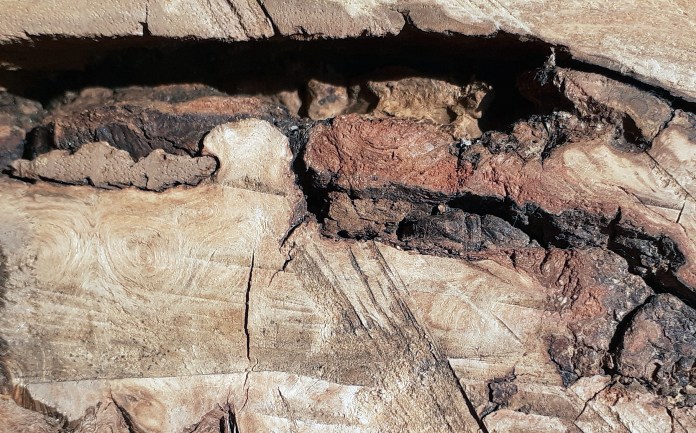
‘Robur Canyon’ [copyright 7th May 2020] by Matt The Unfathomable Artist, digital photography.
Mythical legends have spoken of monsters lurking in structures exactly as described in Robur Canyon. Dark matter without discernible mass, form or measurable depth causes disenchanted quietness upon anyone approaching its entrance ways – shown above, to the right and lower right, at two distinctive places.
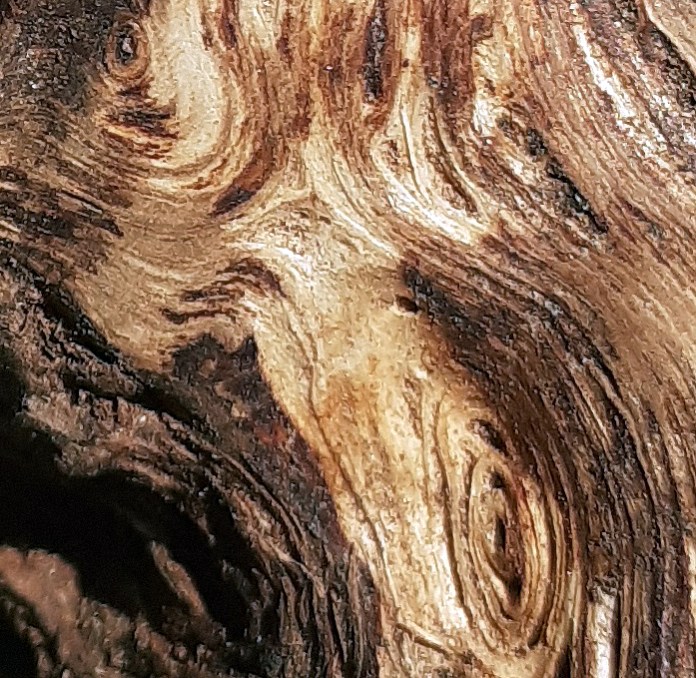
‘Inescapable Monster Moon’ [copyright 7th May 2020] by Matt The Unfathomable Artist, digital photography.
Similar in idea to our own Man in the Moon, this image conjures a vivid resemblance with the terrestrial deep sea
Fangtooth, Anoplogaster cornuta. Actually the pit to the lower left could be 20,000 feet deep!
Imagination is Art.




 The Unfathomable Artist